by Cori Oakley | Apr 30, 2014 | Fertilizing, Gardening, Mulch, Solutions, Spring, Uncategorized
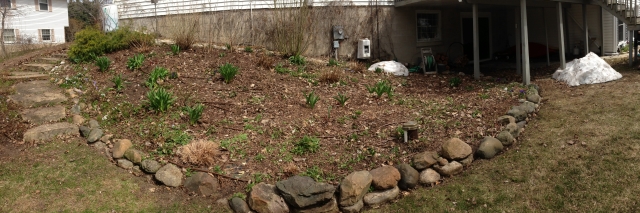
Saturday, I spent the day shoveling the last of the snow out of my garden bed, and spreading it out so it would melt away. (Spring Fever!) I also took that time to clean out my beds of the last few leaves and prune the damaged limbs from the shrubs. It was great getting those things done, but I am most excited about getting my garden and borders mulched. It always looks so complete, and it will pay off big time in the season ahead.
Top 10 Reasons We Mulch at The Mossy Tree
1. Weed control. You’ll still get a few weeds that you can pull when you go by, but NOTHING compared to what you get when there is no mulch. Bare ground without mulch will work you silly trying to control weeds.
2. Protection from the elements. Rain will compact bare soil. Sun then bakes it. The result is not the best environment for plants.
3. Prevents erosion. You sure don’t want all that good soil running off somewhere else with the rain.
4. Improves the soil. As mulch breaks down it improves the soil texture by adding organic matter. (This is how
easy it is to improve soil!)
5. Helps maintain moisture in dry weather.
6. Can keep warmth in the soil over winter. Mulched beds won’t freeze as readily as un-mulched beds.
7. Keeps the soil cooler in summer heat.
8. Looks nicer.
9. Saves time. I think this is best reason of all. It saves you tons of time on garden chores you will never have to do!
That bears repeating: It saves you tons of time on garden chores you will never have to do!
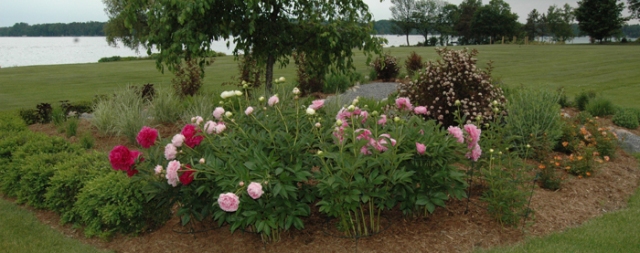
And the best time to Mulch is Spring!
by Cori Oakley | Apr 21, 2014 | Uncategorized
You know we love our composting! Here is another step by step on how to start your own compost pile. Always great information!
by Cori Oakley | Apr 17, 2014 | Critter Control, Solutions, Spring
Voles
So you just discovered that those cute furry little things are the ones wreaking havoc on your landscapes! Now, how to identify and eliminate!
Step 1: Identitify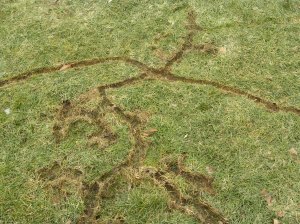
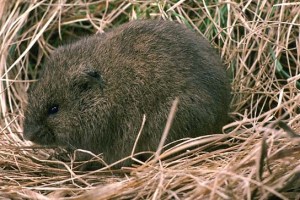
We’re talking voles, NOT moles. Voles are small rodents similar to field mice. They have small rounded ears, small eyes, and short tails. You’ll know voles by the snake-like tunnels that you’ll see all over your lawn. They’re very active in the spring and then their manic tunneling subsides.
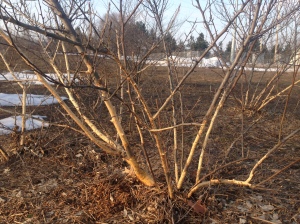 Voles love fields with lots of weeds and coverage. They are active both day and night, especially evening and early morning hours. They love to burrow underground and will eat bulbs and root vegetables. If you have partially eaten carrots, potatoes, etc., you may have a vole problem. They also nest at the base of trees and shrubs which can cause damage to the roots, especially as they tend to chew the bark. As the snow melts, we are seeing lots of vole damage in our shrubs.
Step 2: Eliminate
Nothing is sure when trying to eliminate voles, but here are some methods to try for your garden:
1) Make your yard inhospitable to voles! Cut back brush, mow, weed, and create a clean space.
2) Live traps near vole runways or the nesting sites at the base of trees and shrubs. Bait traps with peanut butter and set baits midday to early evening when voles get more active. Relocate voles to a faraway field. The success to trapping is persistence.
3) Bait voles with a registered rodenticide. Consult your local garden center or professional critter control agency.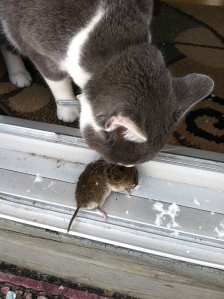
4) Protect a garden by fencing the area with a half-inch of mesh, at least 12 inches above the ground and buried 6 to 10 inches deep.
5) Add gravel to the planting hole surrounding the bulbs. When you plant bulbs, drench or powder them with a fungicide to discourage voles.
6) The best control method: an outdoor cat.

by Cori Oakley | Apr 10, 2014 | Compost, Critter Control, Spring
Many of you have seen our posts about voles, but do you really know what this creature is and what he can do in your garden?
Most of us have heard of mole control, but not vole control. Why? Well, the latter gets little recognition but may be making his presence known in your gardens now.
Voles vs. Moles
Many may not know the difference between moles and voles, but even those who are not landscaping enthusiasts have heard of moles. Most people go their whole lives without ever so much as hearing about these similar-looking pests. To make matters more confusing, these pests are sometimes referred to as “meadow mice” or “field mice.” But when you identify the damage they cause in lawn and garden alike, you’ll quickly learn that this is no “little” pest control problem.
Since voles are not the only animal pests responsible for runways in lawn and garden areas, they are often confused with these other pests you’d like to get rid of – moles. Both moles and voles are rarely seen, making more sense to base identification on the signs they leave behind, rather than on how the animals look. After all, you may never come face to face with either of them!
Vole Damage:
- Well-defined, visible tunnels, or “runways” at or near the surface, about two inches wide, a result from the voles eating the grass blades, as well as from the constant little feet traffic.
- White, stripped branches, near or at base of shrub.
Moles Runways:
- Running just beneath the surface, the feeding tunnels appear as raised ridges running across your lawn.
- Feeding tunnels network deep below the surface, but are marked by the soil excavated from below.
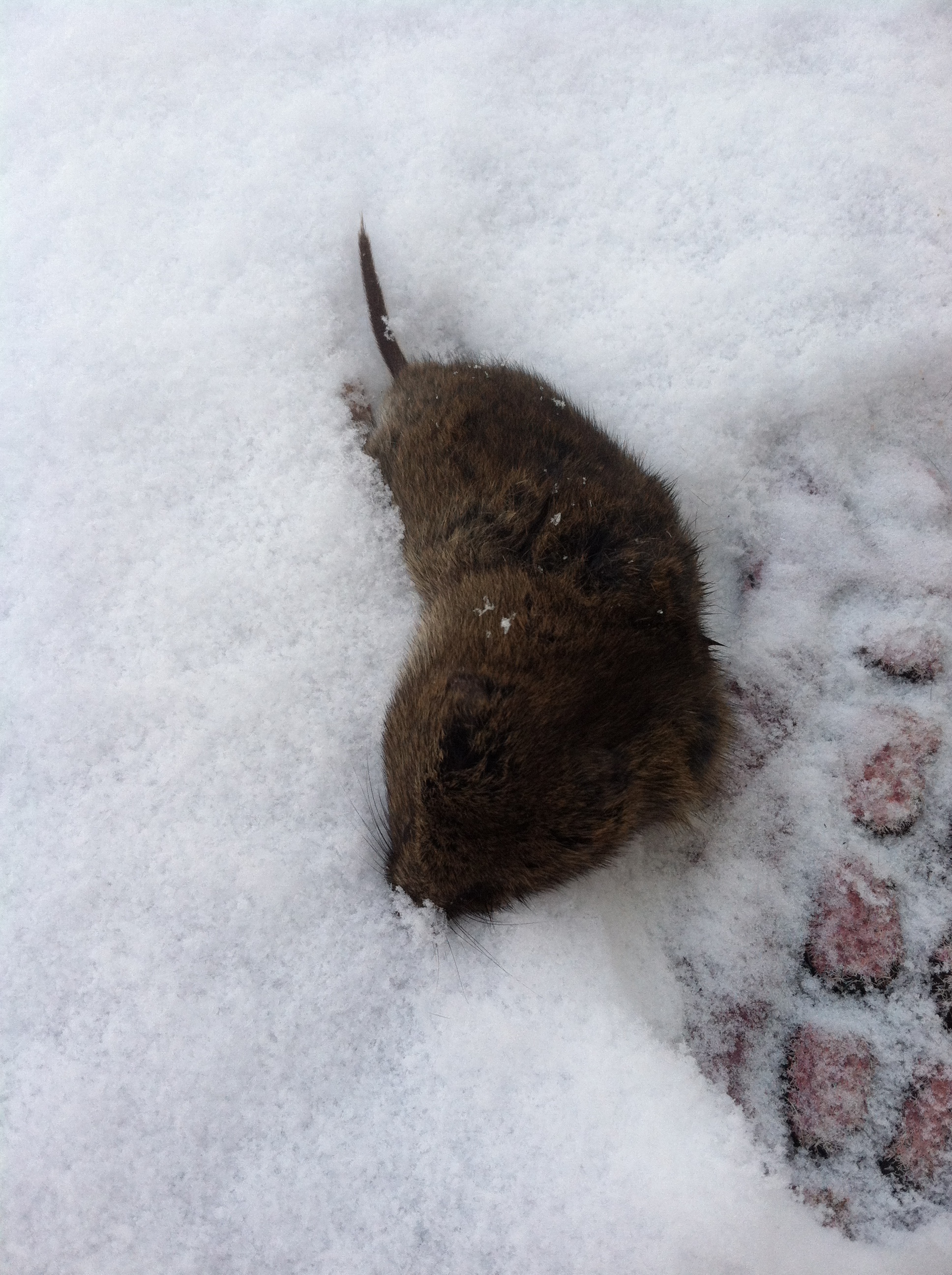
Voles leave no mounds at all behind. What they do leave behind is this:
(insert-start crying now!) With the winter we have had, they had a tough one too! So they made a feast of your shrubs and possibly lawns.
What to do with the vole damage? Well, if it is in your lawn, you can add some compost and grass seed and soon no one will know the difference. Your gardens are a different story.
Most importantly, you must remove all damaged wood from your trees & shrubs. Leaving the damaged, exposed wood is just an invitation to pests and disease, possibly further damaging others in your landscape gardens.
Adding compost and good fertilizer early in the spring can be just what they need to grow past this little inconvenience.
Now to get rid of those little rascals, stay tuned for next weeks post.